Guides
Daily cleaning and maintenance of a smart toilet
What the toilet does by itself and what is left to you: how to clean the bowl, seat, nozzle and remote control, with which products, and a few checks to make from time to time.
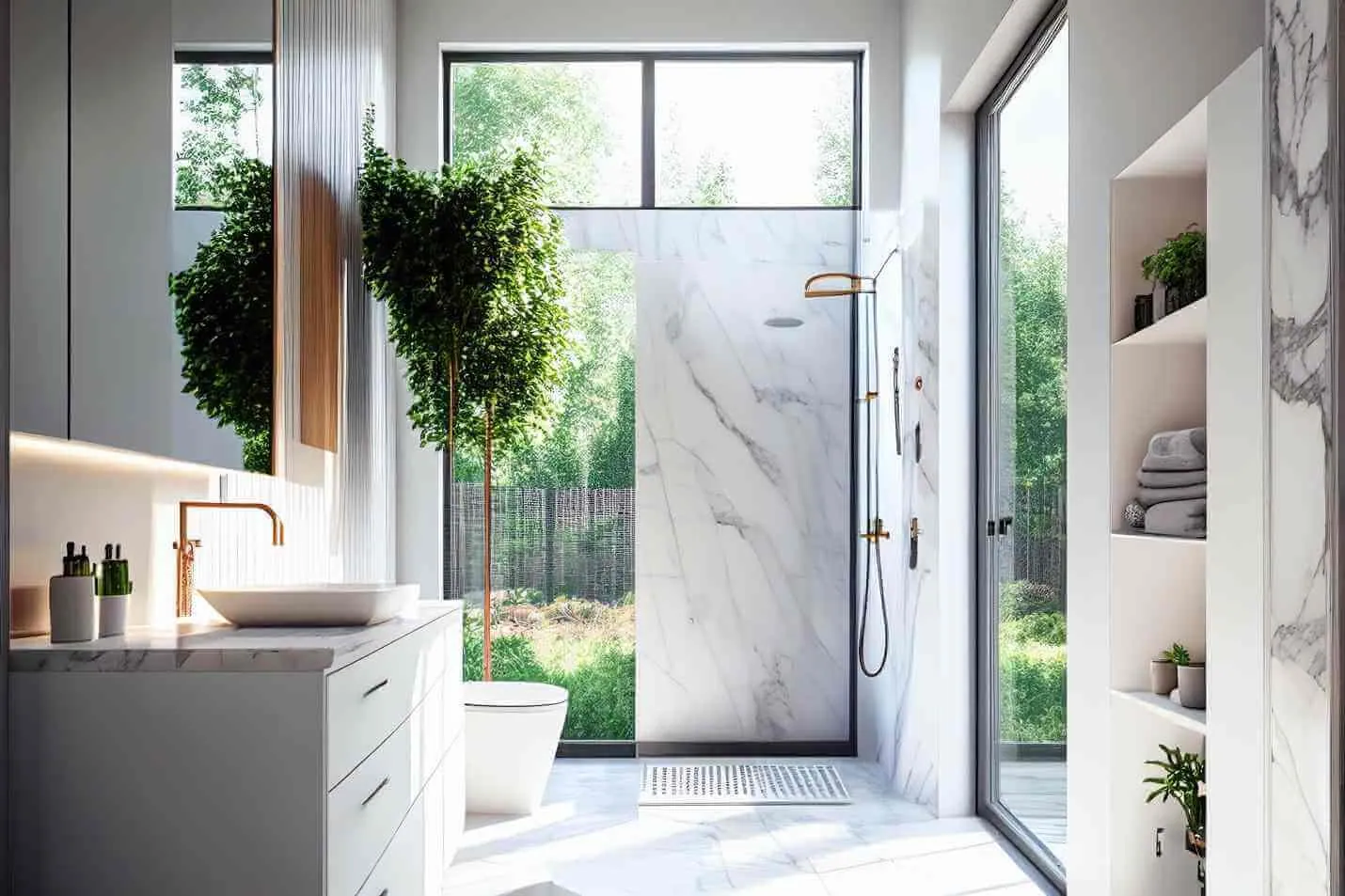
A smart toilet does part of the cleaning by itself: it rinses the nozzle, on many models sterilises it with UV light, and sometimes prepares a layer of foam that reduces splashing. The rest of the maintenance is similar to that of a traditional fixture, with one extra consideration: there are electrical and plastic parts that need to be treated gently. Here is a simple routine. For precise instructions, the manual for your model always applies.
The specifications of Keliss smart toilets list the user manual among the included components, and when the manufacturer makes PDF manuals available you will find them on the product page, in the Documents section. The manual states which products to use, how to treat the nozzle and whether there are parts to check. It is worth reading it in full once and keeping it to hand.
A good general rule is to clean little and often: a quick wipe every day or two prevents limescale and residues from setting, and makes harsher products unnecessary.
Everyday cleaning
- Ceramic bowl: clean it like a traditional toilet, with the toilet brush and a sanitaryware cleaner. Avoid letting harsh products drip onto the plastic parts and the electronics.
- Seat and lid: a soft cloth dampened with water and a neutral detergent is enough. Abrasive sponges and powder products can scratch the surface.
- Controls and remote control: wipe with a barely damp cloth, without spraying liquids directly onto the buttons or the side knob.
- Always dry the surfaces after cleaning, especially near the joints between the seat and the body of the toilet.
The nozzle
The nozzle rinses automatically before and after every use, and on models that have it, UV sterilisation operates by itself. From time to time it is still useful to check it and clean it gently, following the procedure in the manual to extend it, if the model provides one. Use a soft cloth or a soft-bristled brush, never pointed objects: the spray holes are small and must be left clear.
Safety during cleaning
A smart toilet is an electrical appliance. Before a thorough clean, or if you need to work near the electrical parts, follow the instructions in the manual and, if in doubt, switch the appliance off before you start. Do not use direct jets of water on the body of the seat: the IPX4 protection rating stated in the specifications refers to splashes, not to washing with large amounts of water.
Checks to make from time to time
- Deodorisation: on many Keliss bidet seats the deodoriser uses activated carbon; the manual states whether and how it should be checked.
- Water connections: check periodically that there are no drips or traces of moisture under the seat and behind the fixture.
- Remote control: when the controls respond sluggishly, check the batteries.
- Automatic functions: if the proximity sensor or the foot sensor responds less well than before, clean the sensor area with a dry cloth.
When the home is closed up
If the toilet is not used for a long period, for example in a second home, you can make use of the energy-saving functions present on many models. The Sanova I7 automatically renews the standing water in the bowl every 72 hours. When you return, a flush puts clean water back in the bowl.
If something is not right
If a function does not respond as it should, first check the power supply, water pressure and settings, using the section of the manual devoted to the most common problems. Many models, such as the T16, allow flushing even during a power cut. If the problem persists, contact us stating the model and a brief description: Keliss toilets have a two-year warranty, and the details are on the installation and warranty page.